Navigating the World of Art Book Printing: Advice for a Perfect Complete
When it comes to art book printing, you require to mix imagination with technical know-how for the ideal outcomes. Allow's explore what that is and how it can boost your art book.
Recognizing the Printing Refine
When you immerse on your own worldwide of art book printing, comprehending the printing process is important for achieving your wanted outcomes. Begin by familiarizing yourself with numerous printing techniques, like digital and counter printing. Each technique has its staminas, so consider your project's range and budget plan.
Following, take note of color management. Ensure your pictures remain in the right color account, as this impacts how they'll show up in print. You'll likewise desire to pick the best resolution-- 300 DPI is basic for top quality prints.
Do not neglect the importance of proofing. Constantly request an evidence before the last print run to capture any type of mistakes or inconsistencies in color. Ultimately, keep in mind that timing issues. Go over production timelines with your printer to assure your project remains on routine. Understanding these facets can substantially improve the quality and general look of your art book.
Choosing the Right Paper
Choosing the appropriate paper can significantly influence the overall look of your art book. You'll want to assess variables like weight, structure, and finish. A larger weight paper can offer your images a much more lavish look, while lighter papers might feel a lot more delicate.
Appearance plays an important function also; shiny paper boosts colors and detail for vibrant pictures, while matte paper uses a much more restrained and imaginative look. Consider how you want your artwork to be perceived-- do you choose sharp contrasts or softer edges?
This will certainly aid you picture exactly how your art interacts with various documents. Keep in mind, the right choice can boost your book from normal to amazing, ensuring your creative vision beams with in every page.
Discovering Binding Choices
When it concerns binding your art book, you have actually obtained a number of options to contemplate that can influence both the look of your task. Believe about the resilience features you require, as well as the cost effects of each binding approach. Picking the right binding can boost your artwork and ensure it lasts for several years ahead.
Kinds Of Binding Methods
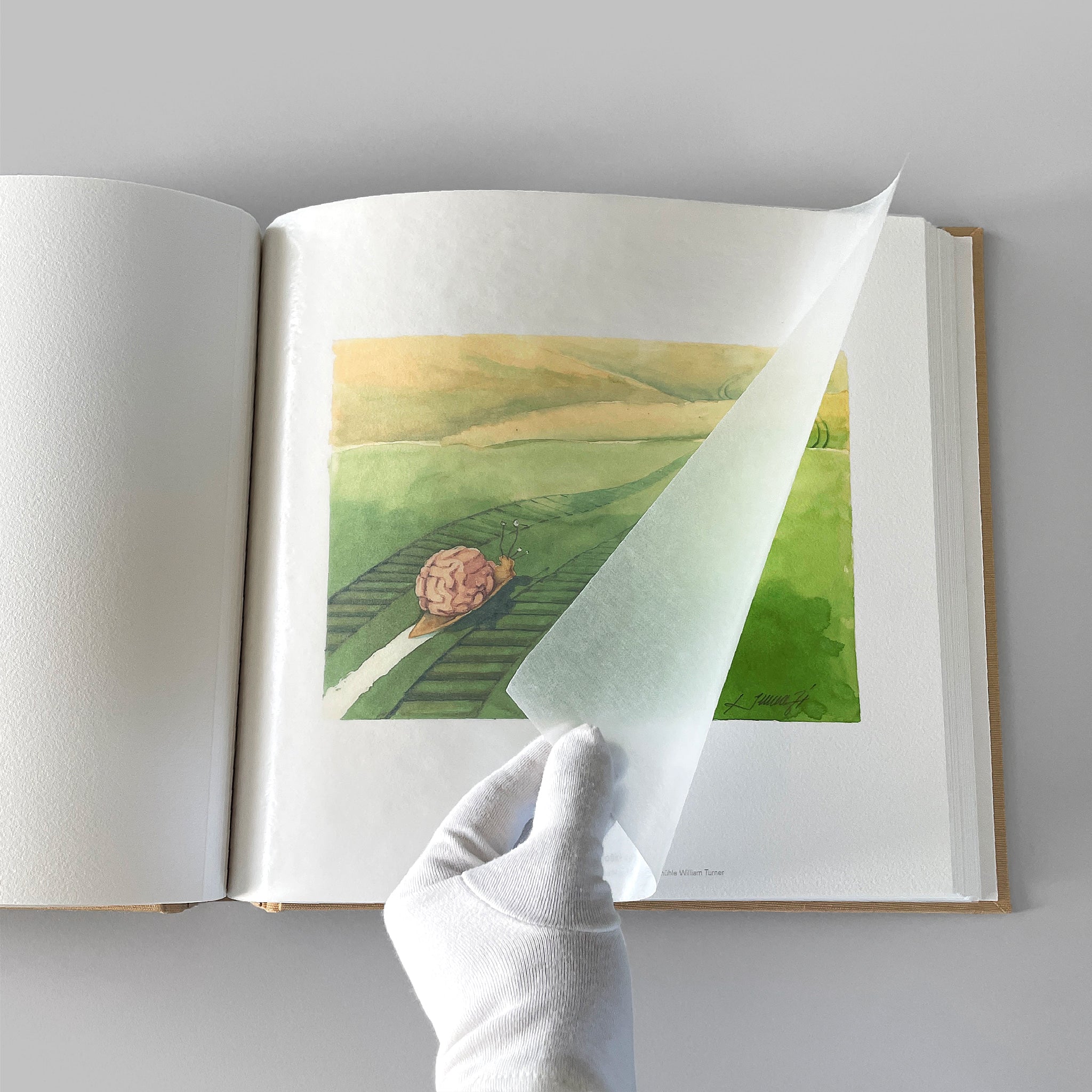
There are numerous binding approaches to contemplate for your art book, each offering distinct advantages and visual appeals. For a much more creative touch, take into consideration spiral binding; it permits your book to lay level, showcasing your artwork wonderfully. Each binding technique has its appeal, so believe concerning your book's objective and target market to pick the one that ideal complements your vision.
Selecting Longevity Attributes
After taking into consideration the various binding approaches, it's time to concentrate on toughness functions that can improve the durability of your art book. Selecting a robust binding alternative is crucial; think about choices like case binding or lay-flat binding, which provide added stamina. Additionally, pay attention to the kind of sticky used; a top quality PVA adhesive can ensure the pages remain safe in time. If you anticipate your book to withstand frequent handling, choose materials like laminated covers or coated paper, which stand up to deterioration. Assume about just how you'll store the book-- making use of a protective slipcase can include an extra layer of protection against dirt and damages. Prioritize these attributes to keep your art book looking pristine.
Price Ramifications of Binding
While picking a binding choice for your art book, it's vital to ponder just how each selection influences your spending plan. Saddle stitching is more economical, perfect for smaller books, yet it might not suit larger projects. Ultimately, choosing the right binding choice can improve your art book's discussion without damaging the financial institution.
Creating for Print
When designing for print, you need to prioritize clearness and visual impact to efficiently showcase your artwork. Begin by choosing a shade combination that matches your pieces, ensuring it translates well on paper. Shades may appear differently in print than on-screen, so choose tones that keep vibrancy when printed.
Usage high-resolution images to stay clear of pixelation; goal for at least 300 DPI for peak top quality. Consider your typography very carefully-- select typefaces that improve your art without overpowering it. Preserve an equilibrium in between text and visuals, making certain that neither distracts from the various other.
Pay interest to format and white area, as these components assist the viewer's eye and produce a harmonious circulation. Think regarding the dimension and dimensions of your book; it must enhance your art work, not constrict it. By focusing on these facets, you'll create a magnificent print design that astounds your audience.
Proofing Your Artwork
As soon as you've completed your layout, it's time to proof your artwork to validate everything looks as meant. Start by inspecting for any spelling or grammatic errors, as these can take away from your message. Next, check out color precision. If your artwork is vivid on-screen, but boring on paper, modifications may be needed. It's also important to review picture resolution; low-resolution photos can show up pixelated, destroying the general top quality.
Publish a test evidence to click to investigate see just how your style translates to paper. Make certain your art work adheres to any details standards your printer requires, such as hemorrhage and cut lines.
Collaborating with a Printer
When you're all set to publish your art book, finding the appropriate printer is crucial. You'll require to clearly connect your vision and comprehend the printing specifications to assure whatever ends up as anticipated (art book). Let's discover how to make this procedure smooth and successful
Picking the Right Printer
Selecting the right printer can make all the distinction in bringing your art book vision to life. Start by recognizing your particular demands, like paper high quality, shade accuracy, and binding alternatives. Research study neighborhood and on the internet printing firms, taking notice of their profiles and customer i thought about this testimonials. You want a printer experienced in art publications, as they'll understand the subtleties of reproducing your artwork consistently. Don't think twice to ask for examples of their previous work to determine their quality. As soon as you've tightened down your options, reach out to review your project thoroughly. This preliminary conversation can expose their proficiency and readiness to collaborate. Bear in mind, a good printer will not just fulfill your expectations however elevate your job. Pick carefully!
Connecting Your Vision
To guarantee your art book comes out simply as you imagine, it's vital to interact your vision clearly with your printer. Beginning by sharing your innovative concept, consisting of visite site styles, shades, and any type of particular components you want highlighted - art book. Be open about your spending plan and timeline; this assists your printer provide sensible options.
Understanding Printing Specs
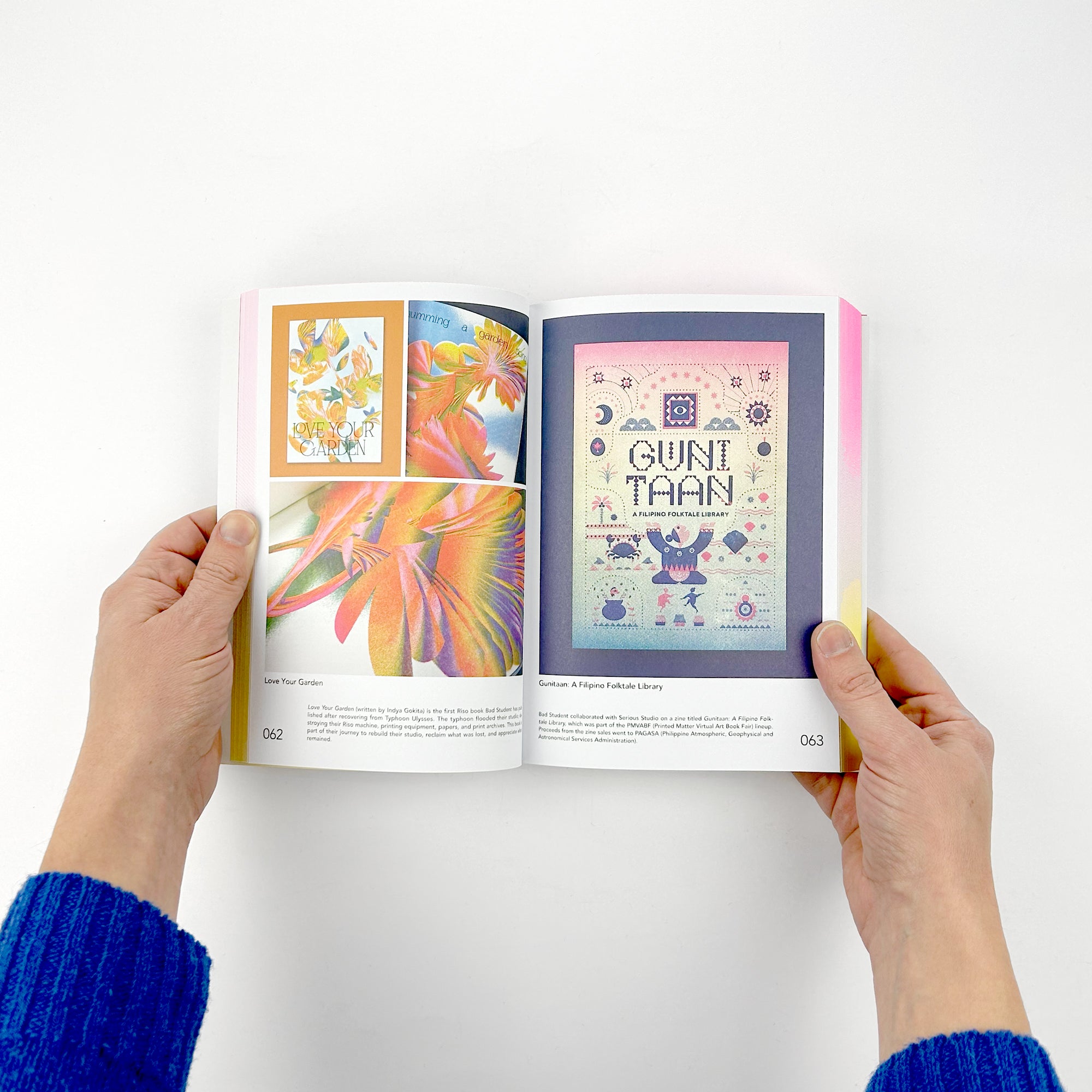
With your vision clearly verbalized, it's time to concentrate on the technological side of printing your art book. Comprehending printing requirements is essential for accomplishing the best outcome. Start by discussing your preferred paper kind; alternatives like shiny or matte can greatly affect the aesthetic charm. Next off, take into consideration the book's dimensions-- conventional dimensions are usually more affordable, however custom-made dimensions can boost your one-of-a-kind design. Do not neglect to check the resolution of your images; they should be at least 300 DPI for crisp prints. Clarify your color preferences-- CMYK is basic for print, while RGB is used for digital. By knowing these specifications, you'll guarantee a smoother collaboration with your printer and a spectacular final product.
Marketing Your Art Book
Marketing your art book properly can make all the difference in reaching your target market and improving sales. Are they art enthusiasts, enthusiasts, or students? Showcase your art work, share behind-the-scenes material, and engage with your followers via stories and blog posts.
Think about organizing a launch event or joining art fairs to get in touch with possible buyers straight. Collaborate with influencers or blog writers in the art area to expand your reach. Do not underestimate the power of email advertising and marketing; build a subscriber list to keep interested visitors upgraded.
Ultimately, leverage online industries and your website for direct sales. Deal minimal editions or special promos to develop urgency. By integrating these approaches, you'll enhance exposure and drive sales for your beautiful art book.
Frequently Asked Concerns
What Is the Ordinary Price of Art Book Printing?
The average cost of art book printing varies commonly based upon variables like size, page count, and materials. Normally, you're considering anywhere from $10 to $50 or more per book, depending on your options.
The length of time Does the Printing Refine Commonly Take?
The printing process typically takes regarding two to 4 weeks, relying on the task's intricacy and quantity. You'll require to variable in layout, proofing, and potential revisions to guarantee everything satisfies your assumptions.
Can I Publish a Restricted Version of My Art Book?
Yes, you can publish a restricted version of your art book. Just choose exactly how lots of copies you want, choose a quality printer, and guarantee you have actually obtained the appropriate products to produce a special feel.
What Data Formats Are Best for Printing My Artwork?
For printing your artwork, use high-resolution data like TIFF or PDF. Prevent JPEGs for last prints, as they can shed information.
Exactly How Can I Guarantee Color Precision in My Printed Reserve?
To guarantee shade precision in your printed book, make use of a calibrated screen, soft proof your documents, and select a dependable printing solution. Consider utilizing RGB or CMYK color settings as needed for your art work.